B2B
B2B
B2B
WHITE-LABEL
WHITE-LABEL
WHITE-LABEL
VIDEO INTERVIEW
VIDEO INTERVIEW
VIDEO INTERVIEW
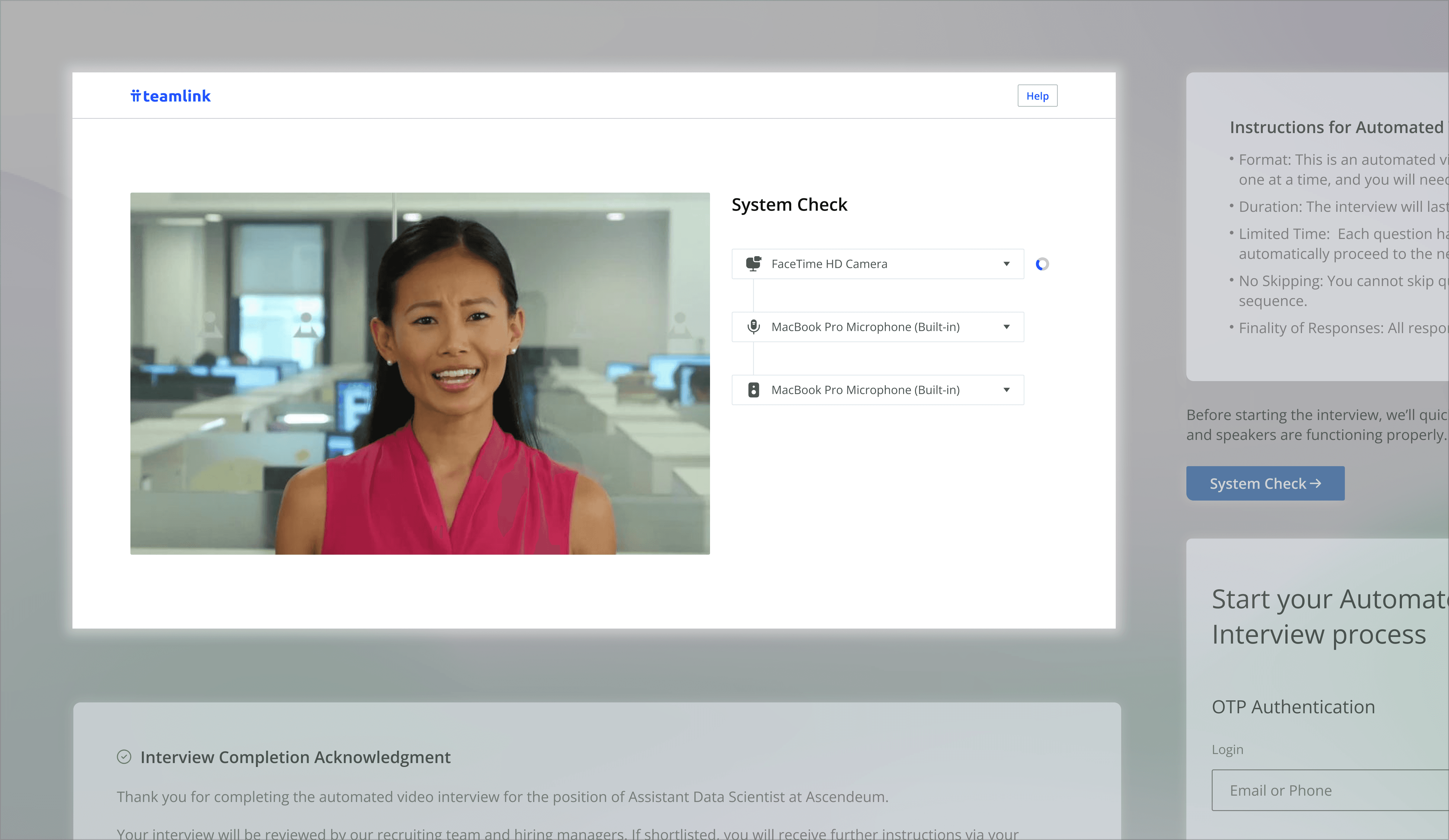
Automated video interviews help remote teams screen
Automated video interviews help remote teams screen
candidates asynchronously, standardize early rounds, and hire faster without live scheduling. As a white‑label app, it supports client branding and configurable interview flows so other companies can launch it as their own.
MachineLab is an end-to-end ML platform concept designed to take models from dataset setup to deployment and monitoring in one guided workflow. It helps teams ship and improve prediction models faster by reducing tool-switching and making progress visible.
candidates asynchronously, standardize early rounds, and hire faster without live scheduling. As a white‑label app, it supports client branding and configurable interview flows so other companies can launch it as their own.
Challenge
Challenge
Challenge
Candidates were spending more mental energy worrying about tech failure than showcasing skills, hurting experience and outcomes.
Existing platforms treated setup as a checkbox, not a confidence-building moment, so anxiety stayed high.
Candidates were spending more mental energy worrying about tech failure than showcasing skills, hurting experience and outcomes.
Existing platforms treated setup as a checkbox, not a confidence-building moment, so anxiety stayed high.
Design Approach
Design Approach
Design Approach
Reframed “device checks” from a hurdle into an anxiety-reduction journey: prepare, validate, perform.
Used interactive validation, clear expectations, and continuous in‑interview reassurance to keep candidates focused on responses, not technology.
Reframed “device checks” from a hurdle into an anxiety-reduction journey: prepare, validate, perform.
Used interactive validation, clear expectations, and continuous in‑interview reassurance to keep candidates focused on responses, not technology.
Space
Space
Space
Machine Learning
Machine Learning
Machine Learning
Role
Role
Role
Product Designer
Product Designer
Product Designer
Users
Users
Users
Interview Candidates
Interview Candidates
Interview Candidates
How we started?
How we started?
How we started?
We began with mixed-method research to understand where video interviews break down: 15 hiring managers at remote companies, and reviewed 2 competing platforms end‑to‑end.
This research confirmed that candidates consistently want clearer preparation guidance and tech readiness checks before the interview starts.
We began with mixed-method research to understand where video interviews break down: 15 hiring managers at remote companies, and reviewed 2 competing platforms end‑to‑end.
This research confirmed that candidates consistently want clearer preparation guidance and tech readiness checks before the interview starts.
We began with mixed-method research to understand where video interviews break down: 15 hiring managers at remote companies, and reviewed 2 competing platforms end‑to‑end.
This research confirmed that candidates consistently want clearer preparation guidance and tech readiness checks before the interview starts.
Critical Pain Points
Critical Pain Points
Critical Pain Points
Technical anxiety overshadowed performance: candidates worried more about mic/camera reliability than answering well.
Camera panic: self‑view + uncertainty about setup pulled attention away from connection and storytelling.
Process uncertainty: unclear duration, format, and requirements amplified baseline interview stress (candidates wanted explicit expectations).
Technical anxiety overshadowed performance: candidates worried more about mic/camera reliability than answering well.
Camera panic: self‑view + uncertainty about setup pulled attention away from connection and storytelling.
Process uncertainty: unclear duration, format, and requirements amplified baseline interview stress (candidates wanted explicit expectations).
Technical anxiety overshadowed performance: candidates worried more about mic/camera reliability than answering well.
Camera panic: self‑view + uncertainty about setup pulled attention away from connection and storytelling.
Process uncertainty: unclear duration, format, and requirements amplified baseline interview stress (candidates wanted explicit expectations).
Key Research Insights
Key Research Insights
Key Research Insights
Most platforms treat technical setup as a fast checkbox step, but confidence is built through interactive verification and clarity upfront.
So we designed preparation and validation as part of the product’s core experience—consistent with widely cited guidance that candidates should test camera/mic and understand the flow before virtual interviews.
Most platforms treat technical setup as a fast checkbox step, but confidence is built through interactive verification and clarity upfront.
So we designed preparation and validation as part of the product’s core experience—consistent with widely cited guidance that candidates should test camera/mic and understand the flow before virtual interviews.
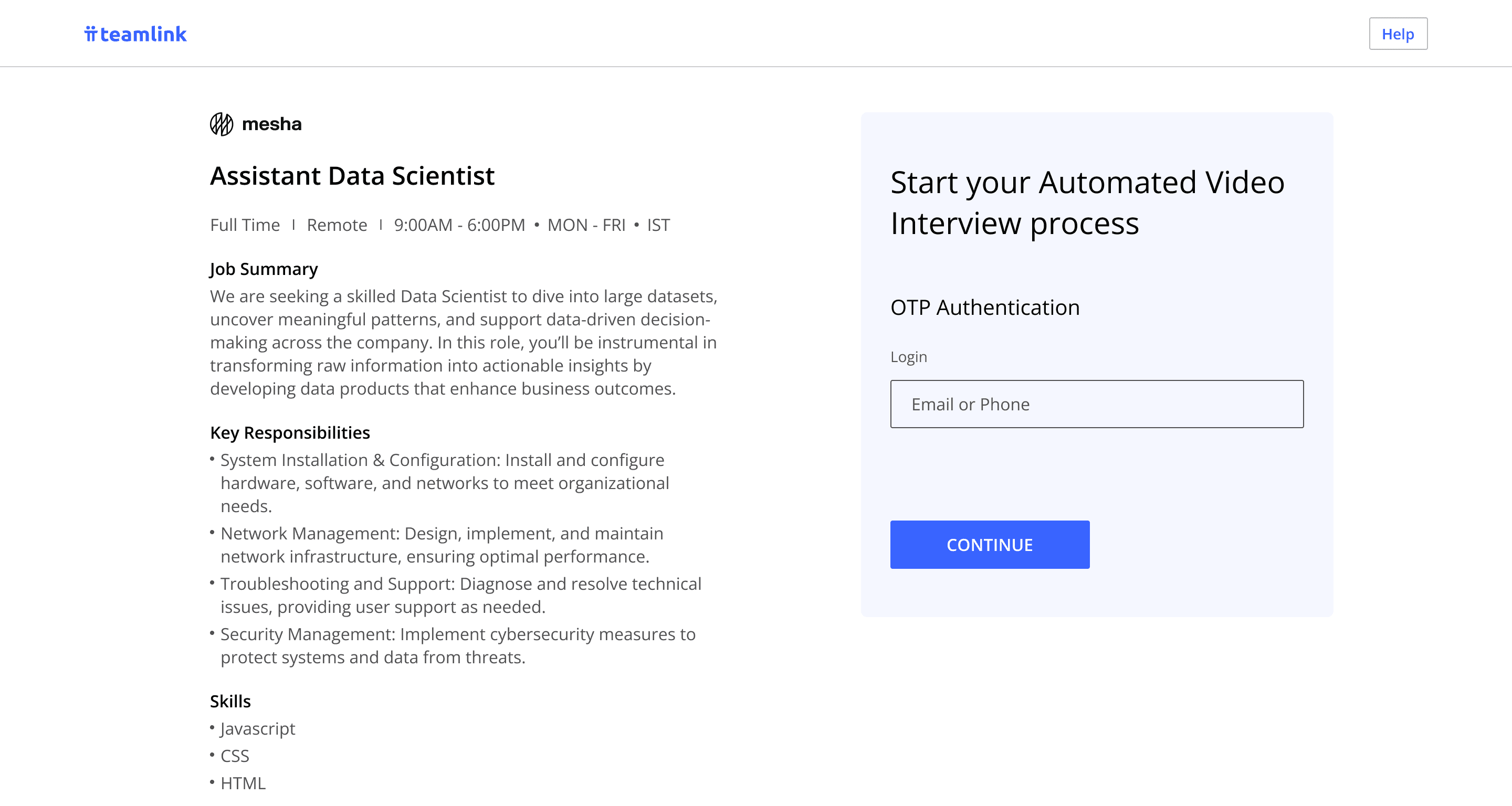
Welcome Experience: Clear explanation of process, timing, and expectations
Welcome Experience: Clear explanation of process, timing, and expectations
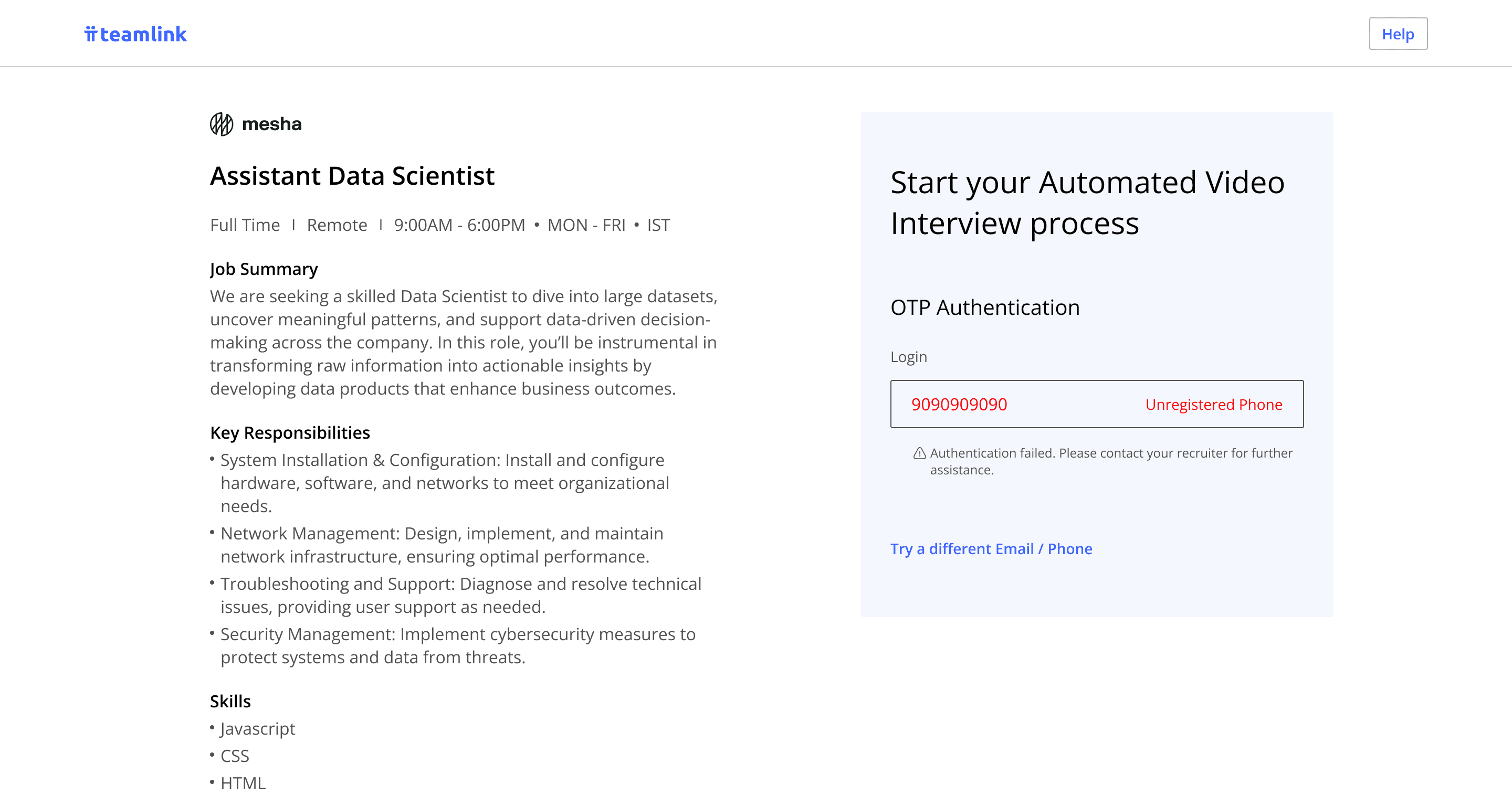
OTP Authentication
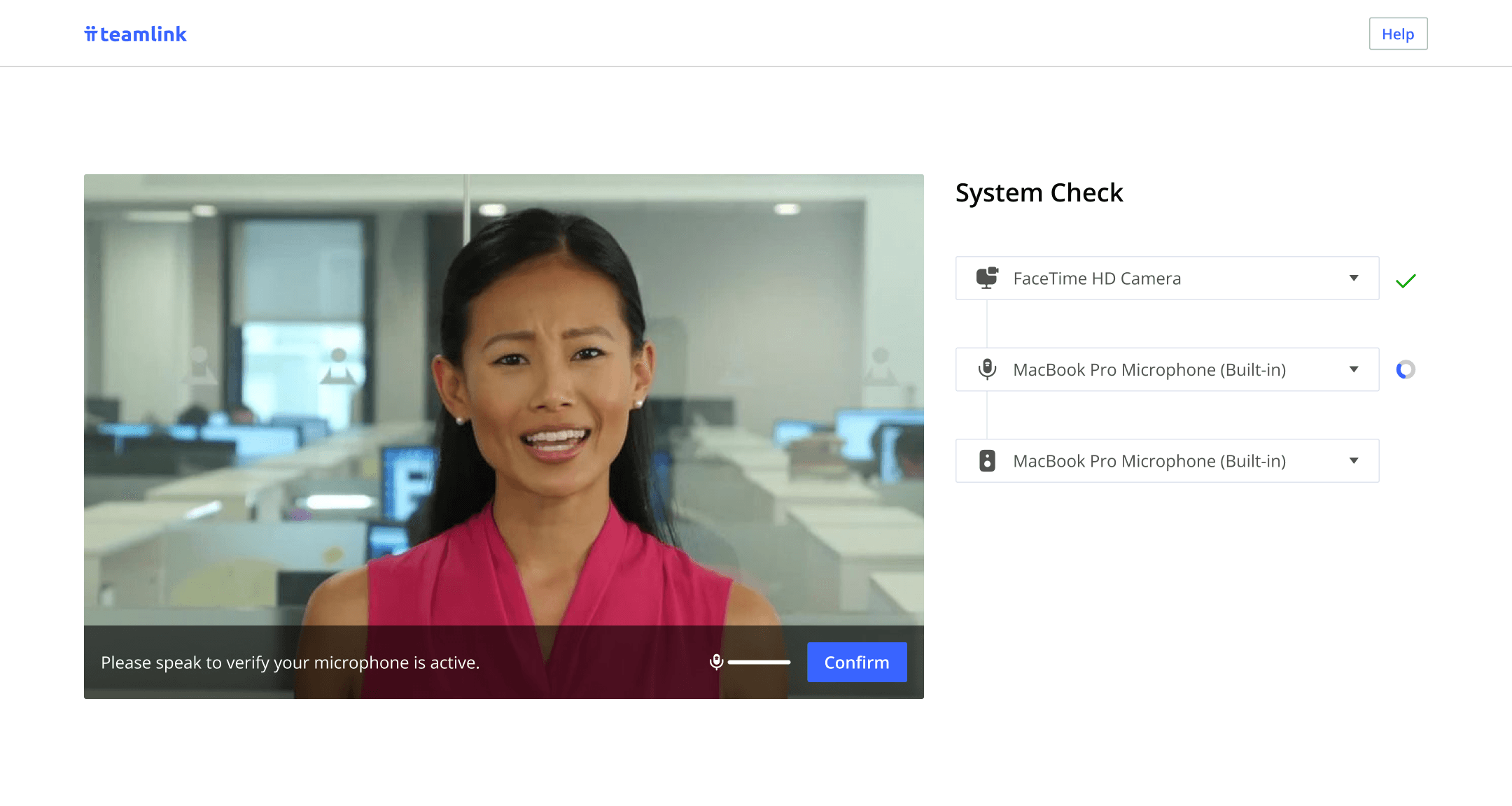
Pre-interview technical validation with real-time feedback
Pre-interview technical validation with real-time feedback
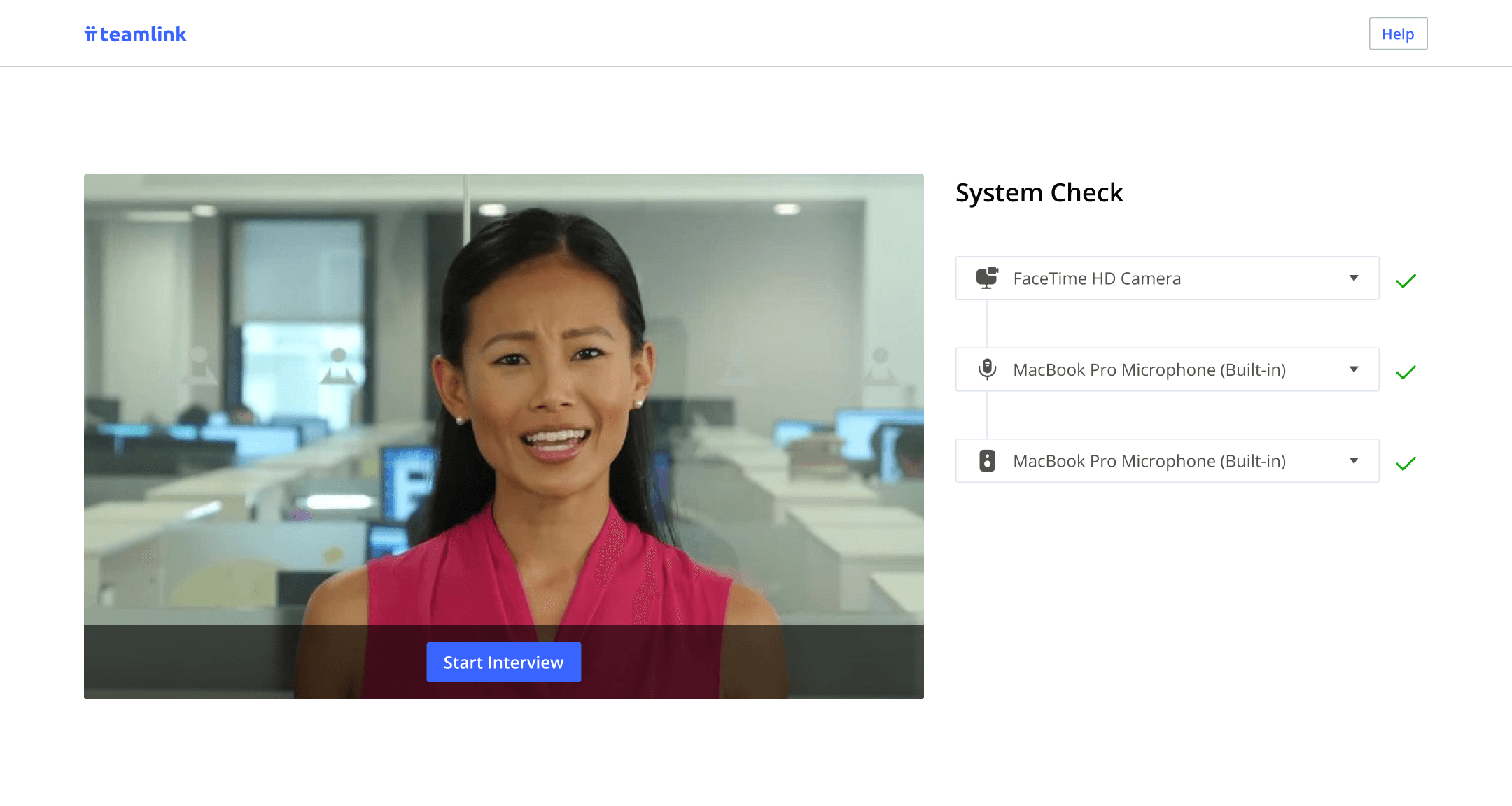
Start Interview indication after all system check
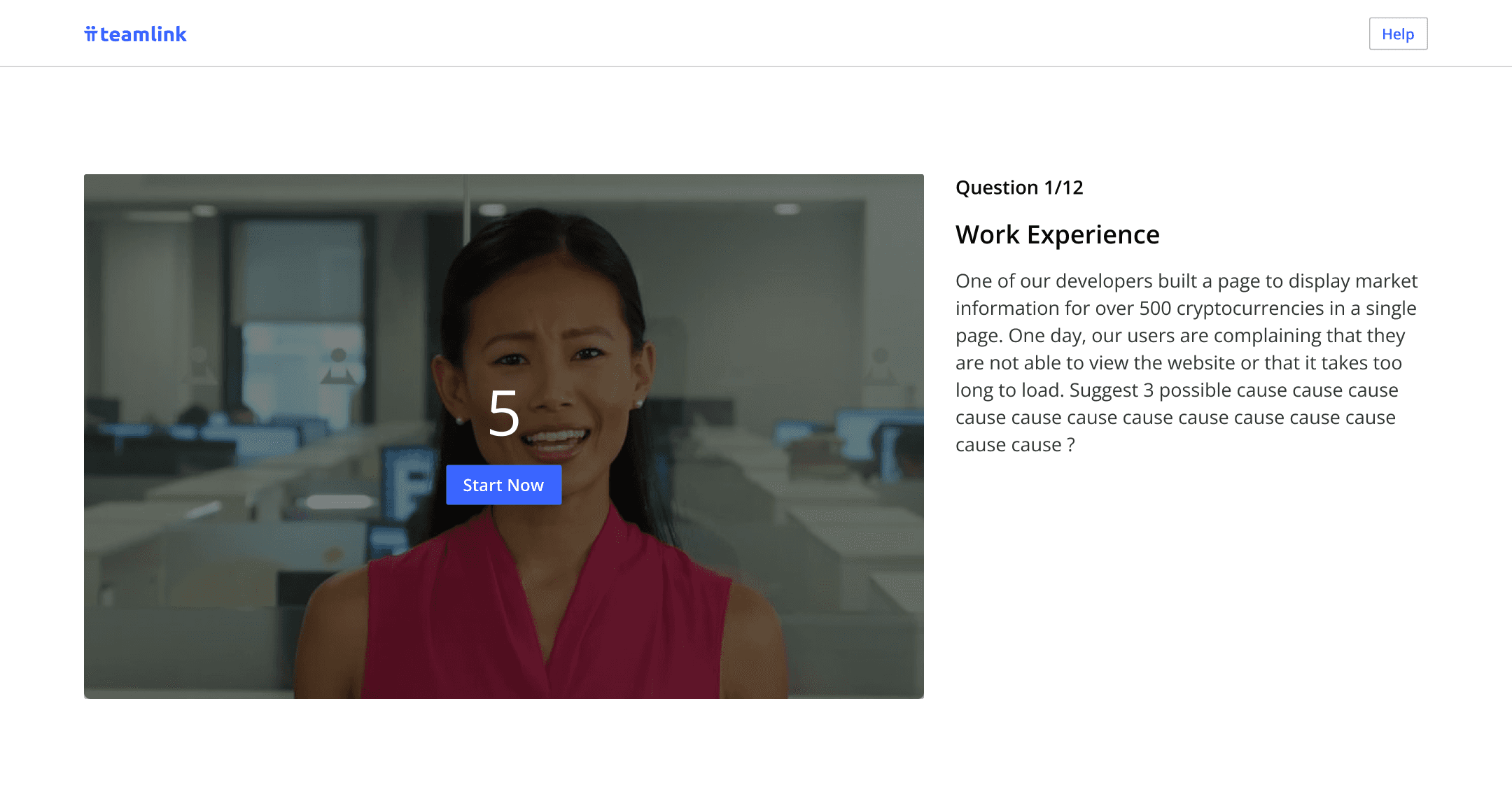
Buffer time before every question
Buffer time before every question
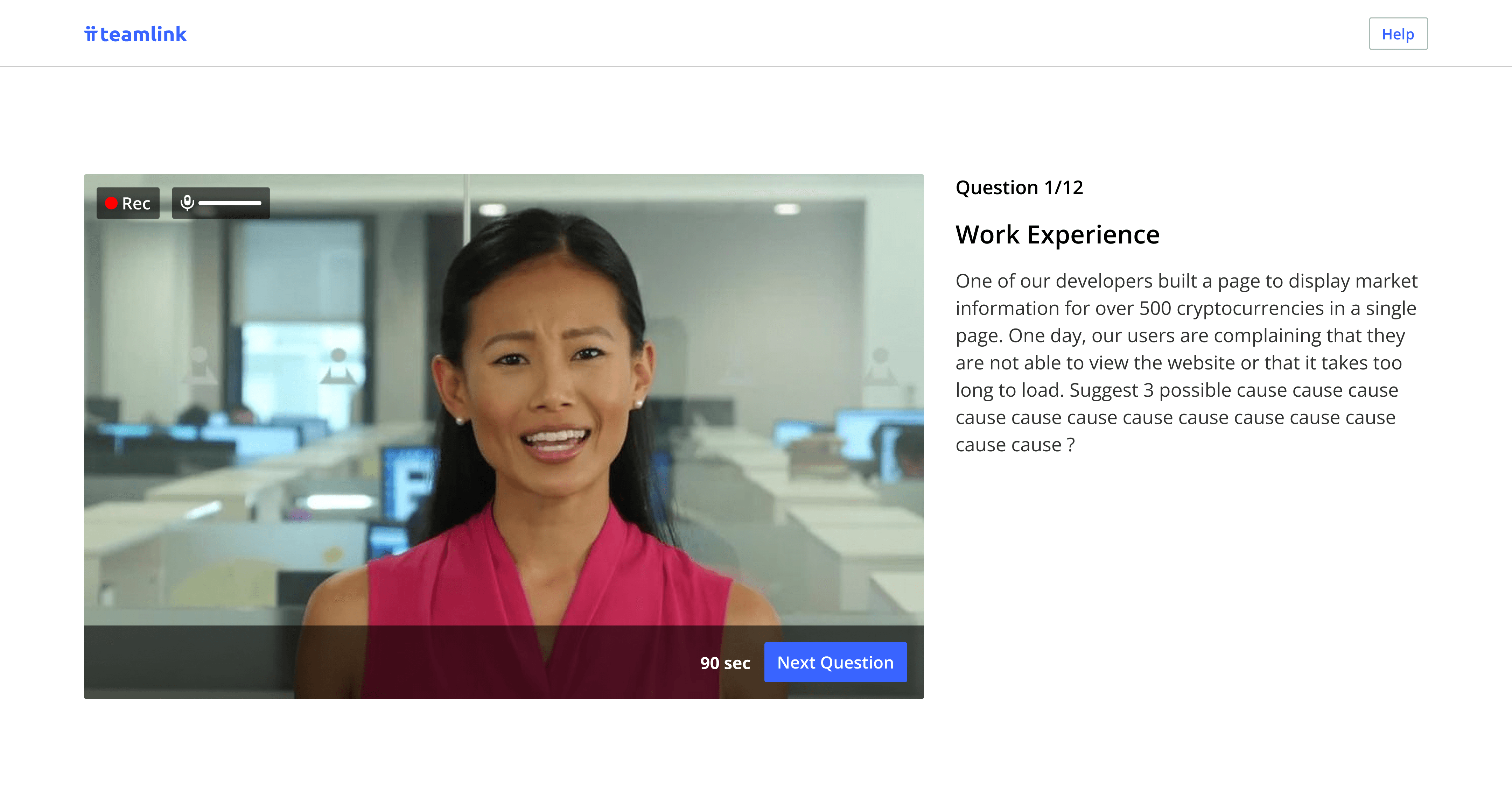
Enabling user to skip question after a set time of 30sec with real time mic input readings and recording indication.
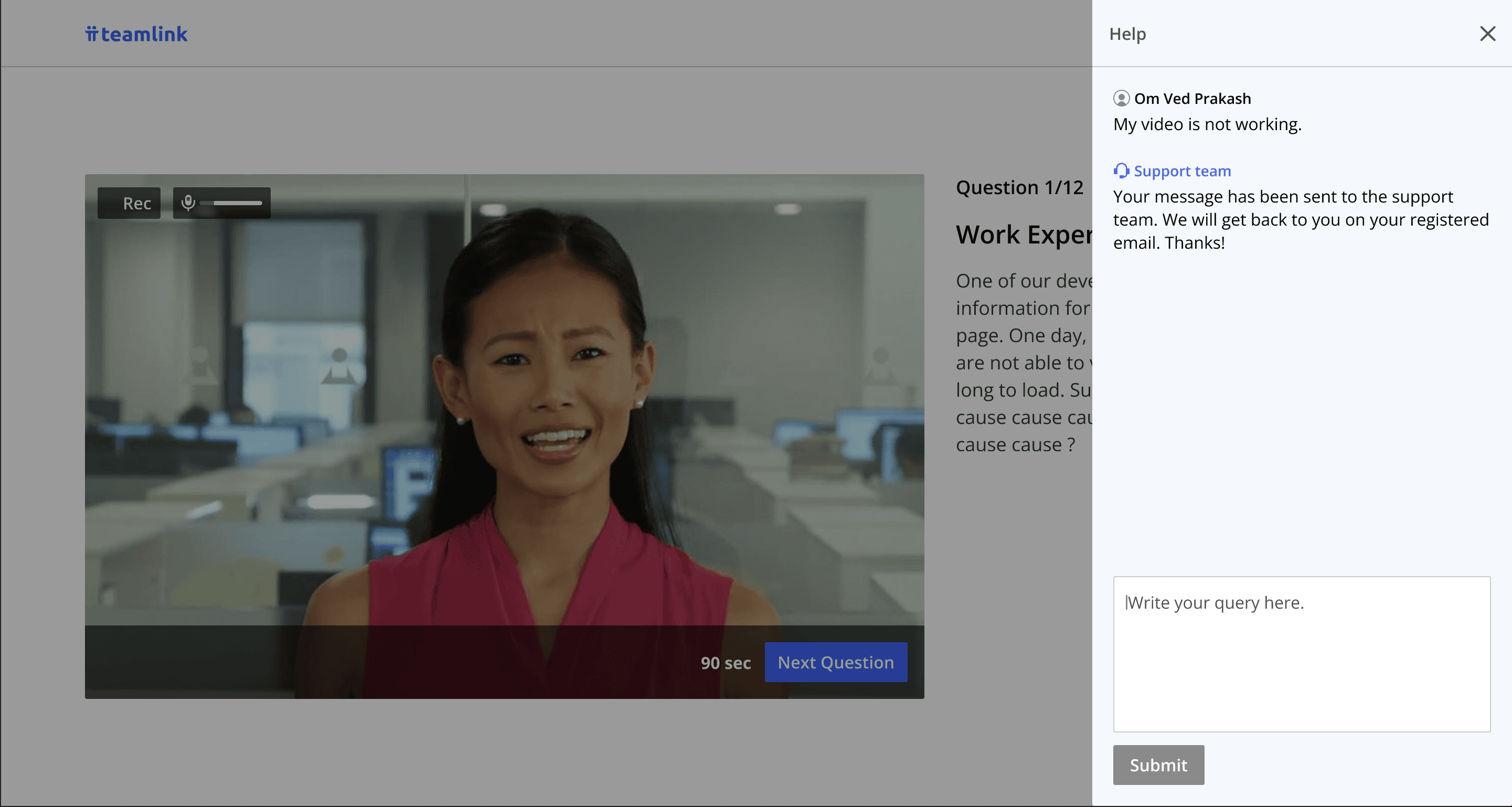
Buffer time before every question
Buffer time before every question
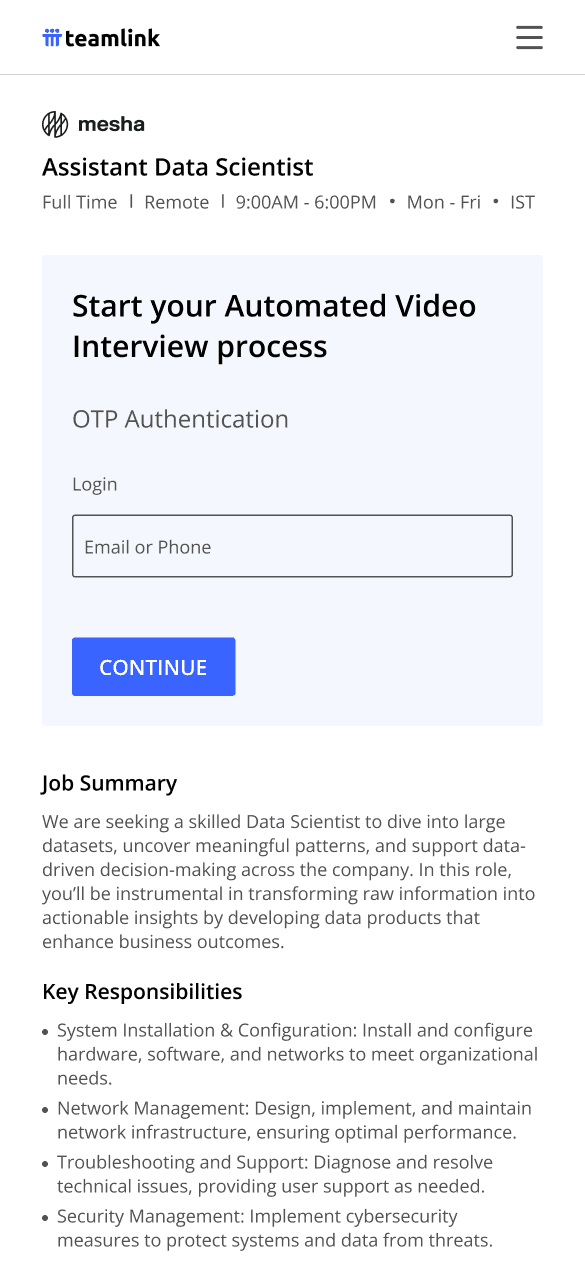
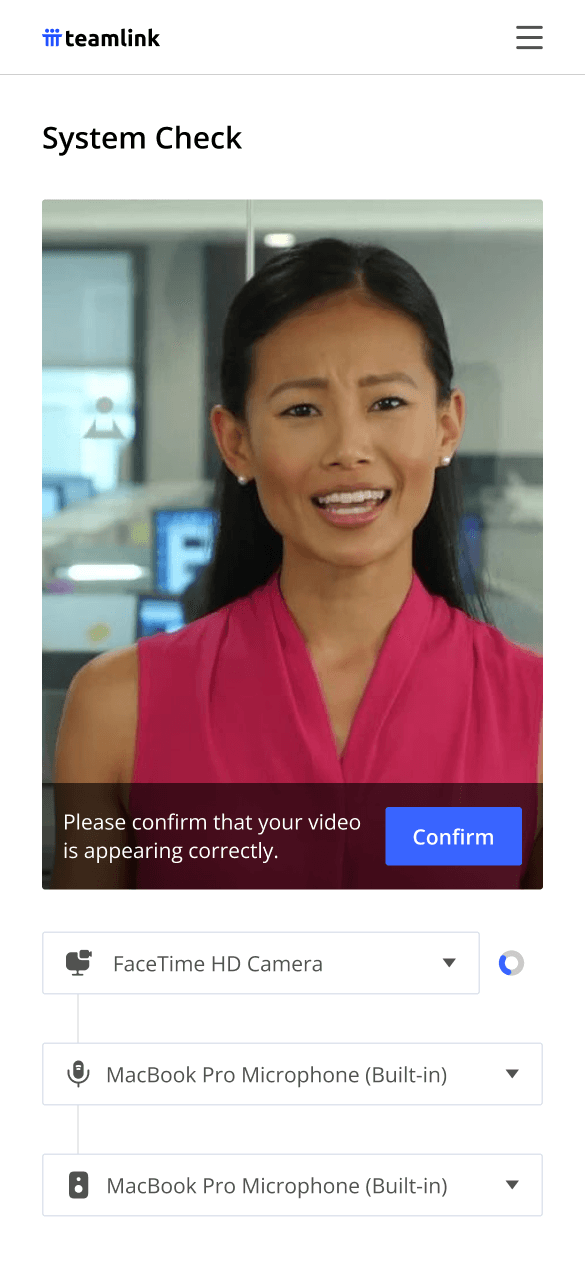
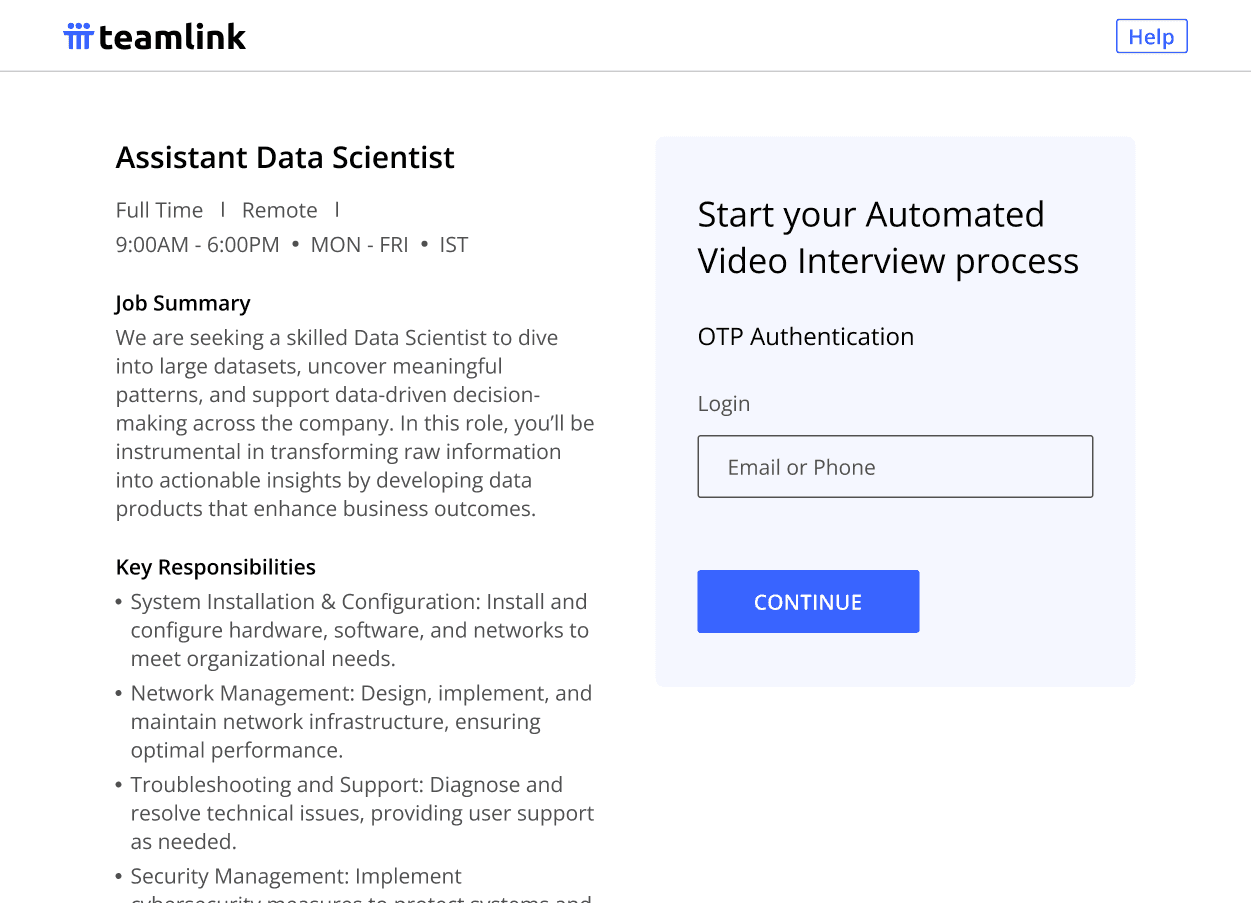
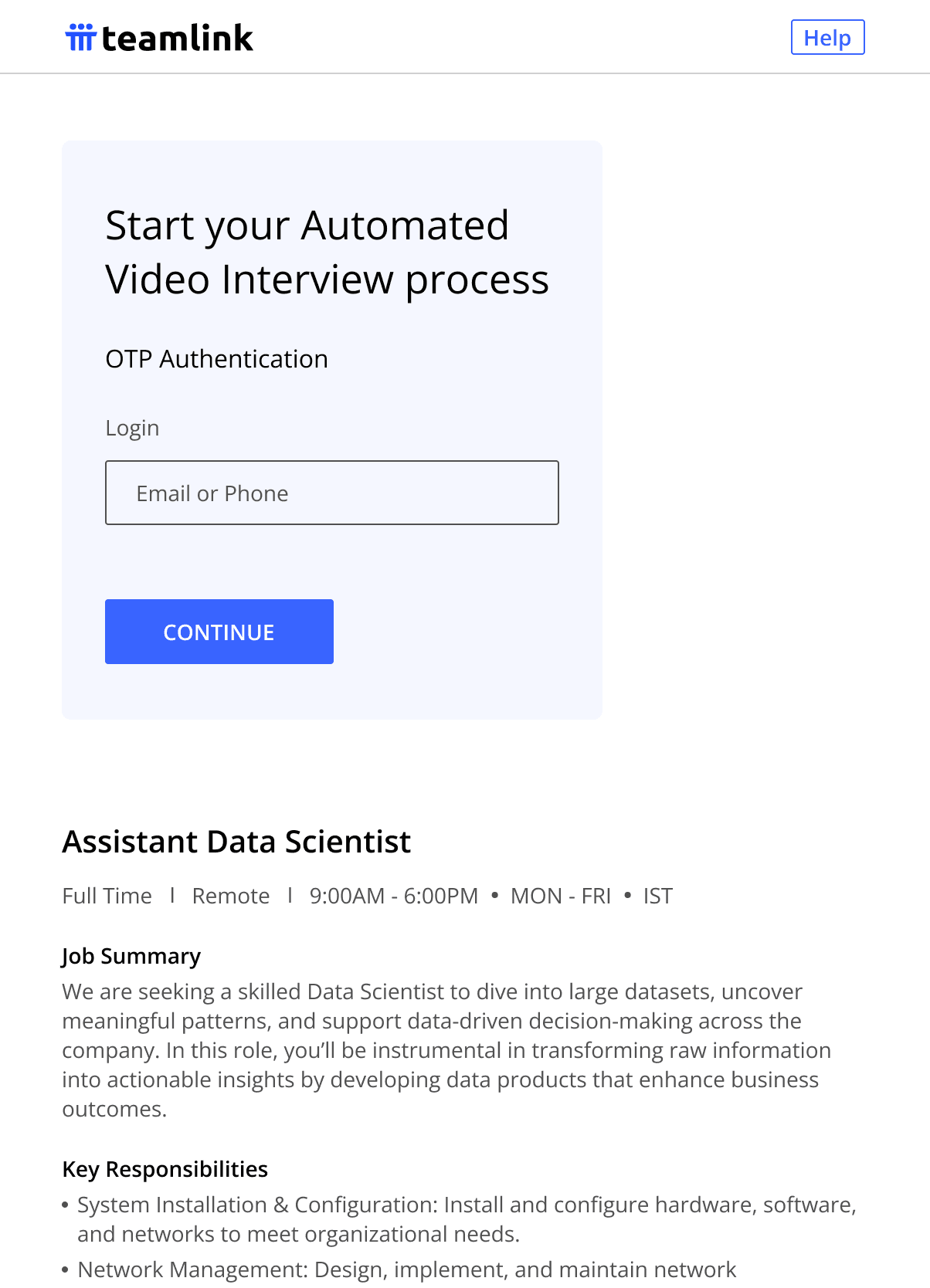
Mobile and Tablet breakpoints for increased accessibility.
Impact
Impact
Impact
Candidate outcomes (from testing): 92% felt technically confident, 88% found setup reassuring, 94% valued expectation-setting, 89% preferred it over other platforms.
Experience + ops: 97% successful completion without intervention, <2% support needed.
Candidate outcomes (from testing): 92% felt technically confident, 88% found setup reassuring, 94% valued expectation-setting, 89% preferred it over other platforms.
Experience + ops: 97% successful completion without intervention, <2% support needed.
Learnings
Learnings
Learnings
Designing for psychology is a product strategy: reducing anxiety improves authenticity, which improves hiring signal quality.
The smallest UI elements (reassurance copy, micro‑feedback, progress cues, “help without interruption”) can change user behavior more than big features.
Designing for psychology is a product strategy: reducing anxiety improves authenticity, which improves hiring signal quality.
The smallest UI elements (reassurance copy, micro‑feedback, progress cues, “help without interruption”) can change user behavior more than big features.